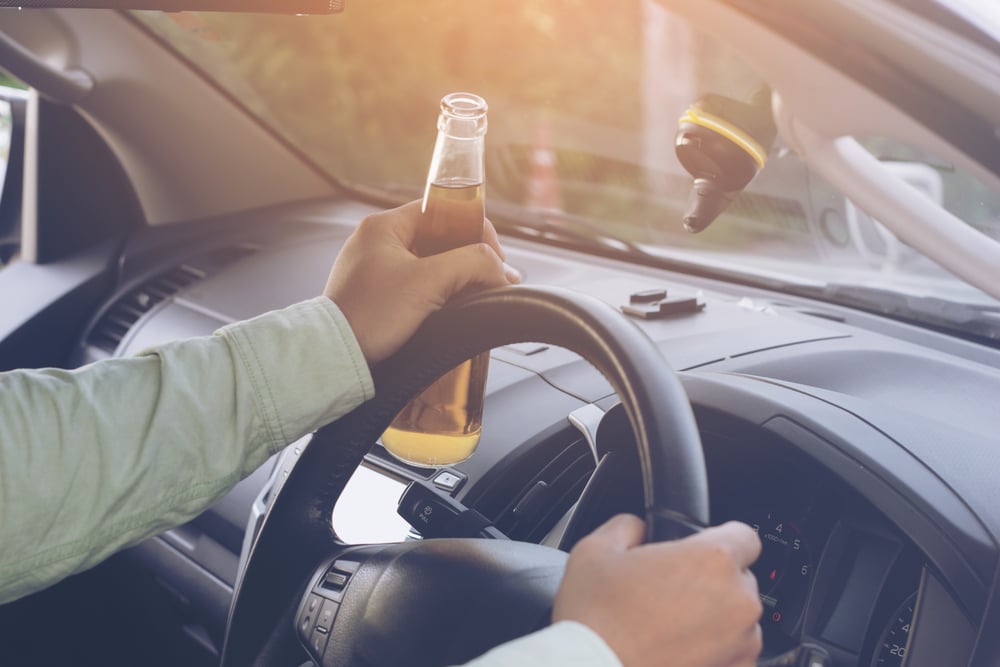
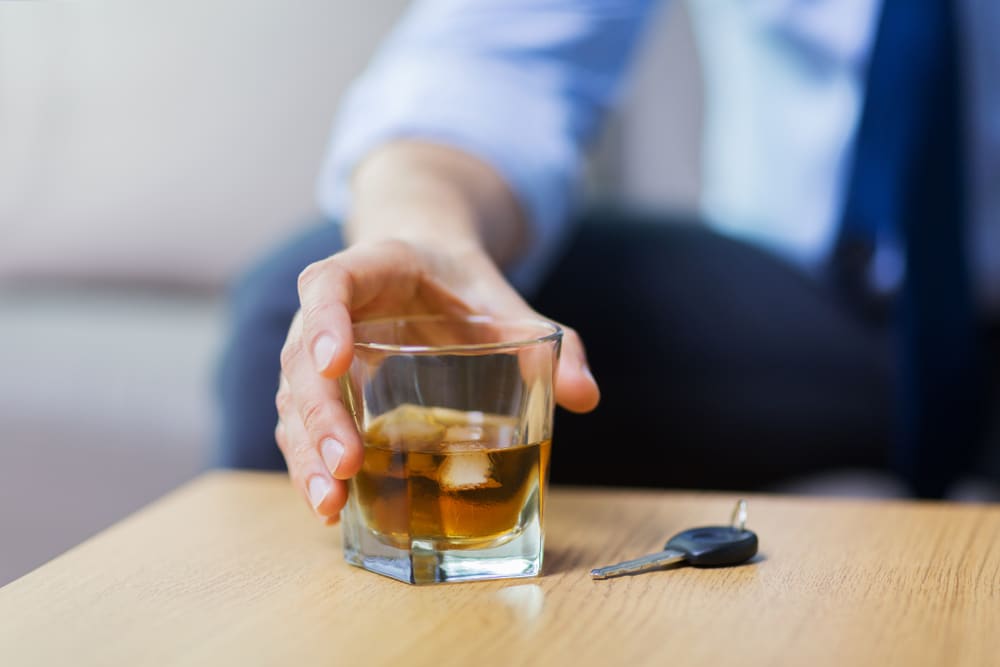
Many people assume that if a blood alcohol concentration (BAC) test reveals a result of .08% or higher, they will not be able to avoid a DWI conviction. However, in some DWI cases, the timing of a chemical test can serve as a strategic defense. Because alcohol continues to be absorbed into the bloodstream after a person stops drinking, a driver’s BAC at the time of testing may actually be higher than their BAC at the time they were driving. This concept is commonly referred to as the “rising blood alcohol defense.”
What is Rising Blood Alcohol?
After consuming alcohol, the body does not immediately reach its highest blood alcohol concentration (BAC). The alcohol must first be absorbed through the stomach and small intestine before entering the bloodstream. The rate of absorption varies based on several factors, including the amount of food consumed, the type of alcoholic beverage, body composition, and individual metabolism. As a result, a person’s BAC may continue to rise even after they have stopped drinking.
This means someone who consumes alcohol immediately before getting behind the wheel could have a BAC below the legal limit while driving, but above .08% by the time a chemical test is later administered.
Why the Timing of a Chemical Test Matters in a DWI Case
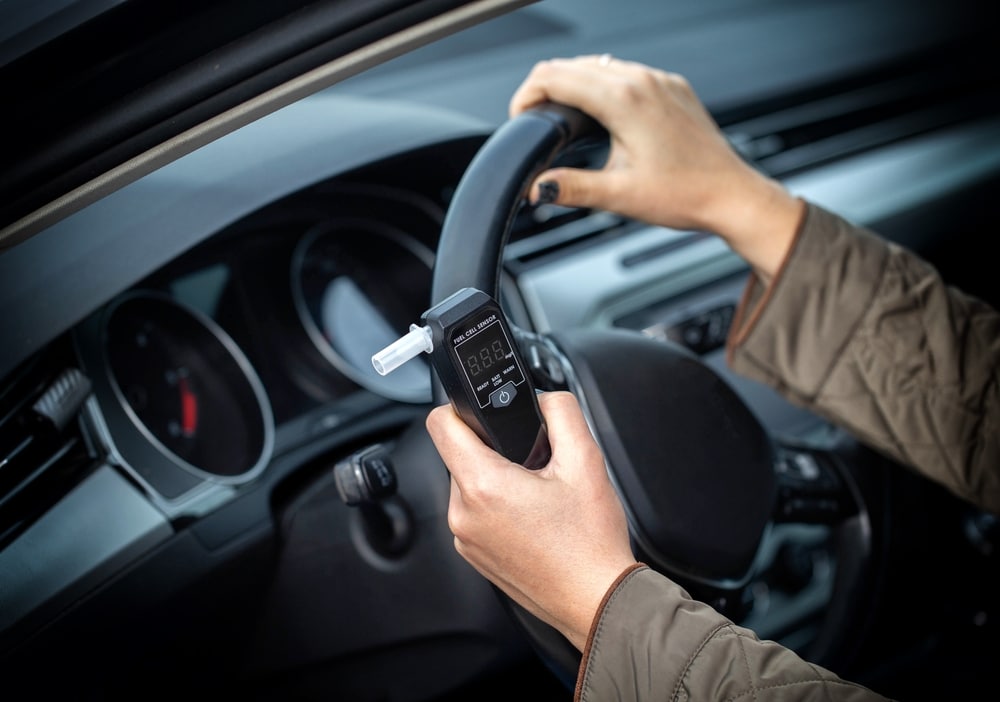
After a person has been pulled over for a DWI, chemical testing usually does not occur immediately. Officers may question the driver, conduct field sobriety tests, complete paperwork, or transport them to another location before administering a breath or blood test. Additional delays lasting 30 minutes or more may also occur, depending on the circumstances. Because of rising blood alcohol in the body, the BAC recorded by a chemical test may not reflect the driver’s BAC at the time the vehicle was being operated.
Although every case is unique, the rising blood alcohol defense may be applicable in the following situations:
- The driver consumed one or more drinks immediately before leaving a bar or restaurant and driving
- There was a substantial delay between the traffic stop and chemical testing
- The driver’s BAC was close to the legal limit
- There is a documented timeline that shows a significant period between the last drink, the traffic stop, and chemical testing
- The prosecution relies primarily on the chemical test result rather than strong evidence of impaired driving
- The available evidence suggests the driver’s BAC may have continued to rise after they stopped driving
However, simply claiming that alcohol was still being absorbed into the bloodstream is usually not enough to establish the rising blood alcohol defense. Prosecutors may present evidence showing the driver’s BAC would have exceeded the legal limit while driving, or pursue a common-law DWI based on evidence of impairment. In such cases, a skilled defense attorney will know how to fight the charges against you.
What Evidence Can Support the Rising Blood Alcohol Defense?
Mounting a strong defense based on the rising blood alcohol theory requires reliable evidence and, in many cases, expert witness testimony from a forensic toxicologist. Relevant evidence may include receipts that show when the alcoholic beverages were purchased, surveillance footage from the establishment, and testimony from witnesses about when and how much alcohol was consumed. A knowledgeable defense attorney may also be able to scrutinize the timeline documented in the police report, the chemical test records, and the testimony of the prosecution’s expert.
In addition, an expert may perform “retrograde extrapolation,” a scientific method used to estimate a person’s BAC at an earlier time based on chemical test results and other available information. Because many variables can affect these calculations, both prosecutors and defense attorneys may rely on competing expert opinions.
Critically, rising blood alcohol is not an automatic defense to a DWI charge, and prosecutors may present evidence of impairment, such as poor driving, physical appearance, and field sobriety tests, when the timing of BAC evidence is disputed. In such cases, a skilled criminal defense attorney may also be able to challenge the initial reason for the traffic stop, raise Constitutional violations, or challenge the BAC test results based on improper maintenance or calibration of the breathalyzer. Other potential defense strategies can include raising the issue of medical conditions that could affect BAC results, challenging the administration of field sobriety tests, or identifying procedural errors that may undermine the prosecution’s case.
Contact an Experienced New York DWI Attorney
If you’ve been charged with a DWI, a New York DWI defense attorney can evaluate the circumstances of your arrest, analyze the scientific evidence in your case, and determine whether challenges to the prosecution’s BAC evidence might be appropriate. Offering aggressive representation and trusted counsel, the criminal defense attorneys at D’Emilia Law work diligently to achieve a positive outcome in every client’s case. To schedule a consultation, contact us at 1-888-DEMILIA.