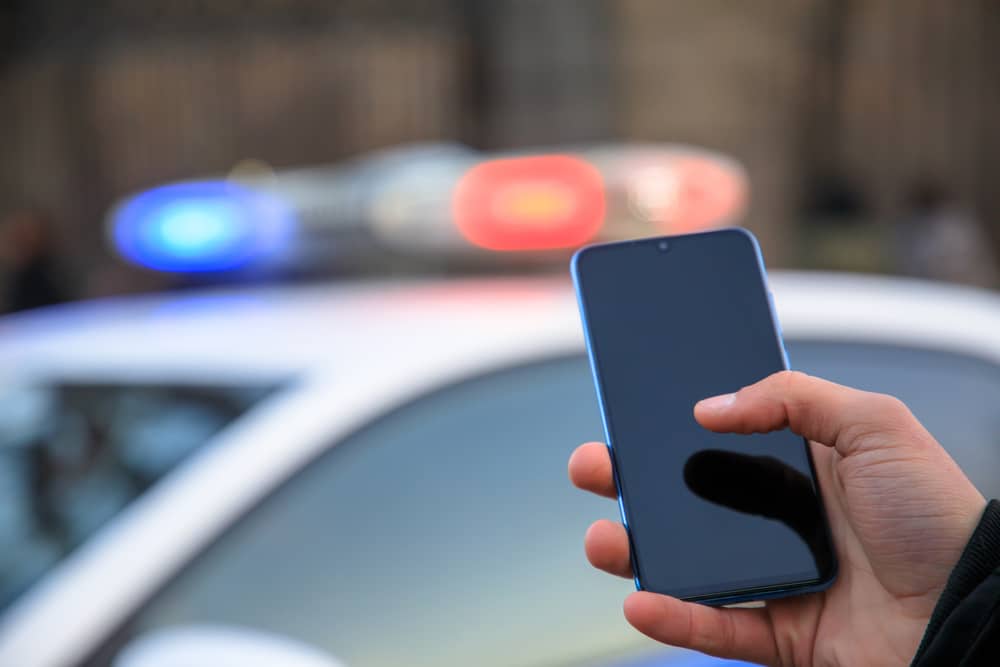
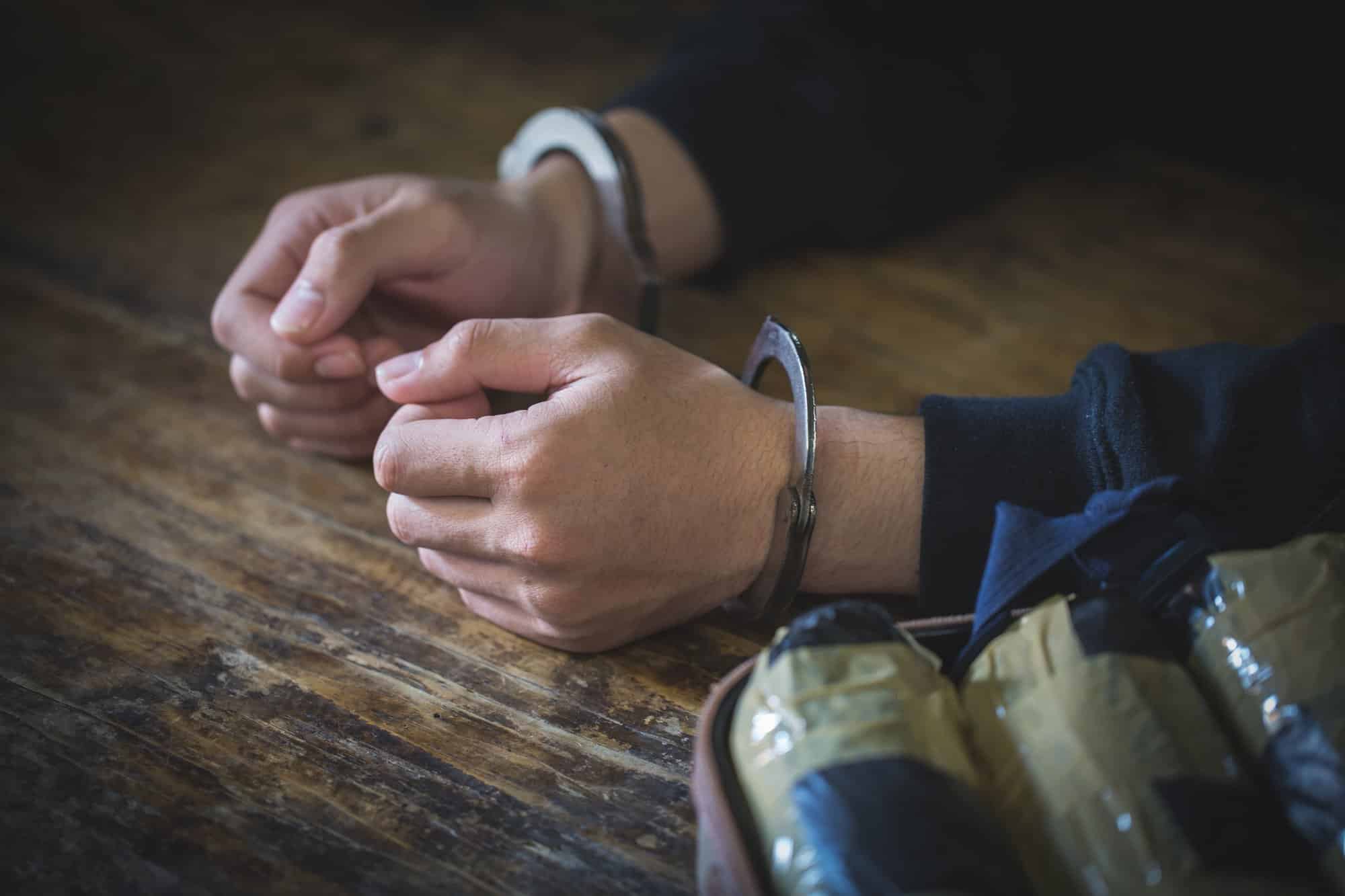
If you’ve been arrested for a drug crime in New York, the police may seize your personal property for safekeeping or to preserve evidence, including your cellphone. However, it’s important to understand that just because law enforcement took your phone along with your other belongings, they do not automatically have the right to search its digital contents. While cellphones contain a significant amount of personal and private information, they are subject to crucial protections under both New York law and the Fourth Amendment to the U.S. Constitution.
Does an Arrest Allow Police to Search the Contents of Your Cellphone?
The police must generally obtain a warrant before searching the digital contents of a cellphone that has been seized from an individual who has been arrested. The U.S. Supreme Court addressed this issue in the landmark case, Riley v. California. In its ruling, the Court held that modern phones contain substantially more personal information than physical items that are typically subject to a search incident to arrest. New York courts have also applied the same principle to searches of cellphones seized during arrests.
This means that police cannot do any of the following without a warrant:
- Open your phone and search its contents
- Scroll through your phone
- Look through your messages or call logs
- View your photos
- Access information stored in your apps
But there are limited exceptions where police may be able to access the contents of your cellphone without a warrant. These exceptions include voluntary consent and exigent circumstances. Importantly, if the police request to access the digital contents of your phone without a warrant, you have the right to refuse.
What Does a Search Warrant of a Phone Require?
Under both New York law and the Fourth Amendment to the U.S. Constitution, a search warrant must be supported by probable cause. This means there must be a reasonable basis to believe that evidence of a crime will be found on the phone, based on the facts presented to the court. Notably, a general suspicion that a cellphone may contain evidence of a drug offense or drug activity, without more, is typically not sufficient to obtain a warrant. The warrant application must show there is a factual connection between the alleged criminal activity and the specific phone.
But even if the police obtain a warrant, it doesn’t necessarily mean they can search everything on your phone. The warrant must specifically identify what police are authorized to search for and seize. It must satisfy the requirement of “particularity,” meaning it should reasonably limit the scope of the search to information relevant to the suspected criminal activity.
Can You Challenge an Illegal Search of Your Phone?
If the police obtain evidence from your cellphone due to an unconstitutional search during a drug arrest, a skilled criminal defense attorney may be able to challenge the search and seek suppression of the evidence in court. This can involve examining whether police had a valid warrant, whether the warrant was supported by probable cause, and whether the scope of the warrant was sufficiently limited to the alleged criminal activity.
After reviewing the facts and circumstances of the search, a criminal defense attorney can determine whether there are grounds to file a motion to suppress the evidence in the cellphone and advocate that it be excluded from your case. If the motion is successful, evidence obtained through the unlawful search may be barred from use by the prosecution. Critically, prosecutors often rely on evidence such as texts, call records, location data, photographs, and other information contained in cellphones to establish possession or intent to sell in a drug case. Excluding this evidence can significantly weaken the prosecution’s case against you.
Contact an Experienced New York Criminal Defense Attorney
If you believe police illegally searched your cellphone in connection with a drug charge, you need a knowledgeable criminal defense attorney by your side who can develop a strong defense strategy tailored to the facts of your case. Offering reliable representation and trusted counsel, the criminal defense attorneys at D’Emilia Law work tirelessly to achieve a positive outcome in every case. To schedule a consultation, contact us at 1-888-DEMILIA.