
Insights
Home >

When Can a Traffic Violation Lead to Criminal Charges in New York?
Most traffic violations in New York are charged as infractions which do not come with any jail time — the penalties that are typically imposed for these offenses are a fine and points on your license. However, certain violations committed behind the wheel are charged as misdemeanors or felonies. These...

Understanding Your Rights if You’ve Been Charged with a Drug Crime
Whether the offense involves possession, distribution, or trafficking a controlled substance, being charged with a drug crime can be stressful and overwhelming. If convicted, you could face substantial jail time, significant fines, and a permanent criminal record that could impact you for the rest of your...
What is Exculpatory Evidence in a New York Criminal Defense Case?
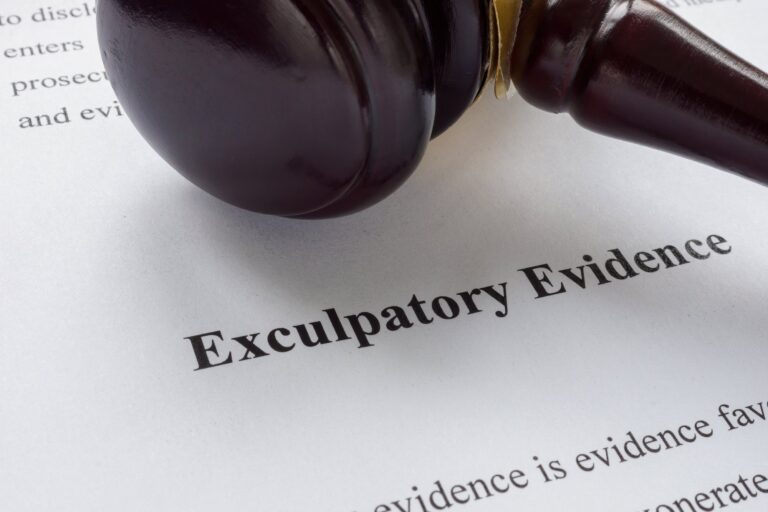
There are many different kinds of evidence that can be used in a criminal case. One of the most important types of evidence is referred to as “exculpatory evidence.” This is any type of evidence that favors the defendant and can help prove they are not guilty of the crime with which they’ve been charged....

How are Commercial Drivers Impacted by a DWI in New York?
New York State has strict DWI laws — and they are even more stringent for those with commercial driver licenses (CDLs). Critically, operating a large vehicle comes with a significant amount of responsibility, and CDL drivers are held to a higher standard. As a commercial driver charged with a DWI, you could...
Why is BAC Important in a DWI Case?
A driver’s blood alcohol concentration (BAC) is a common source of evidence that is used to determine whether they were operating a vehicle under the influence of alcohol. Unlike subjective observations by law enforcement, BAC provides an objective measurement of impairment. If a driver’s BAC is above the...

What is the Crime of Hazing in New York?
Hazing is often viewed as part of an initiation ritual in college organizations, clubs, and sports. However, these practices can also lead to significant physical harm to a victim. While more colleges are cracking down on hazing, punishment for these offenses isn’t only limited to a school disciplinary...

Collateral Consequences of a DWI in New York
Being found guilty of driving while intoxicated by drugs or alcohol doesn’t only involve penalties of jail time, monetary fines, and a criminal record. A conviction can also come with a variety of collateral consequences. These types of secondary consequences can have a significant impact on both your...

Can You Get a DWI if You are in a Parked Car?
Many people are familiar with New York’s drinking and driving laws and know that it is illegal to operate a vehicle while under the influence. But you may be surprised to learn that in some cases, you can also be charged with a DWI if you are intoxicated while sitting or “sleeping it off” in a parked car —...

What is Vehicular Manslaughter?
A DWI can come with substantial penalties — and the charges are even more serious if you killed someone while driving under the influence. There are three different types of aggravated and vehicular manslaughter charges that can be brought in New York, including aggravated vehicular homicide, vehicular...

What’s the Difference Between Having Criminal Charges Dropped Versus Dismissed?
If you’re a defendant in a criminal case, you may be wondering whether it is better to have the charges against you dropped or dismissed. These two results are not the same as being found “not guilty” by a jury — and it’s important to know the difference between them. Regardless of the underlying offense, a...

What is the Crime of Resisting Arrest?
Resisting arrest by a police officer is a serious matter in New York. If there was a dispute or altercation between you and law enforcement during the arrest process, it can result in additional criminal charges being brought against you. In the event you are facing charges for resisting arrest, it’s vital...
What is Drugged Driving in New York?
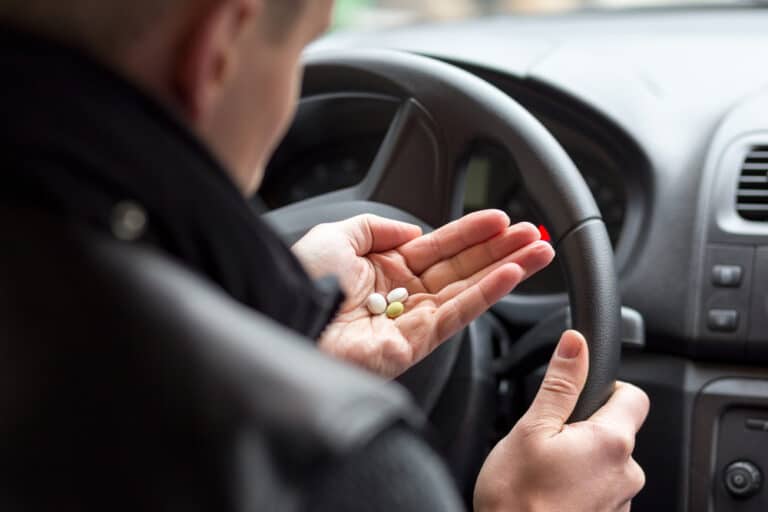
Operating a vehicle under the influence of alcohol isn’t the only impaired driving offense that can lead to an arrest. Critically, prescription drugs, over-the-counter medications, and illegal substances can all affect a person’s ability to drive. Drugged driving can be charged in New York as a misdemeanor...