INSIGHTS

Home > Insights > What are the Consequences of Violating Probation in New York?

What are the Consequences of Violating Probation in New York?

by | Jan 21, 2025

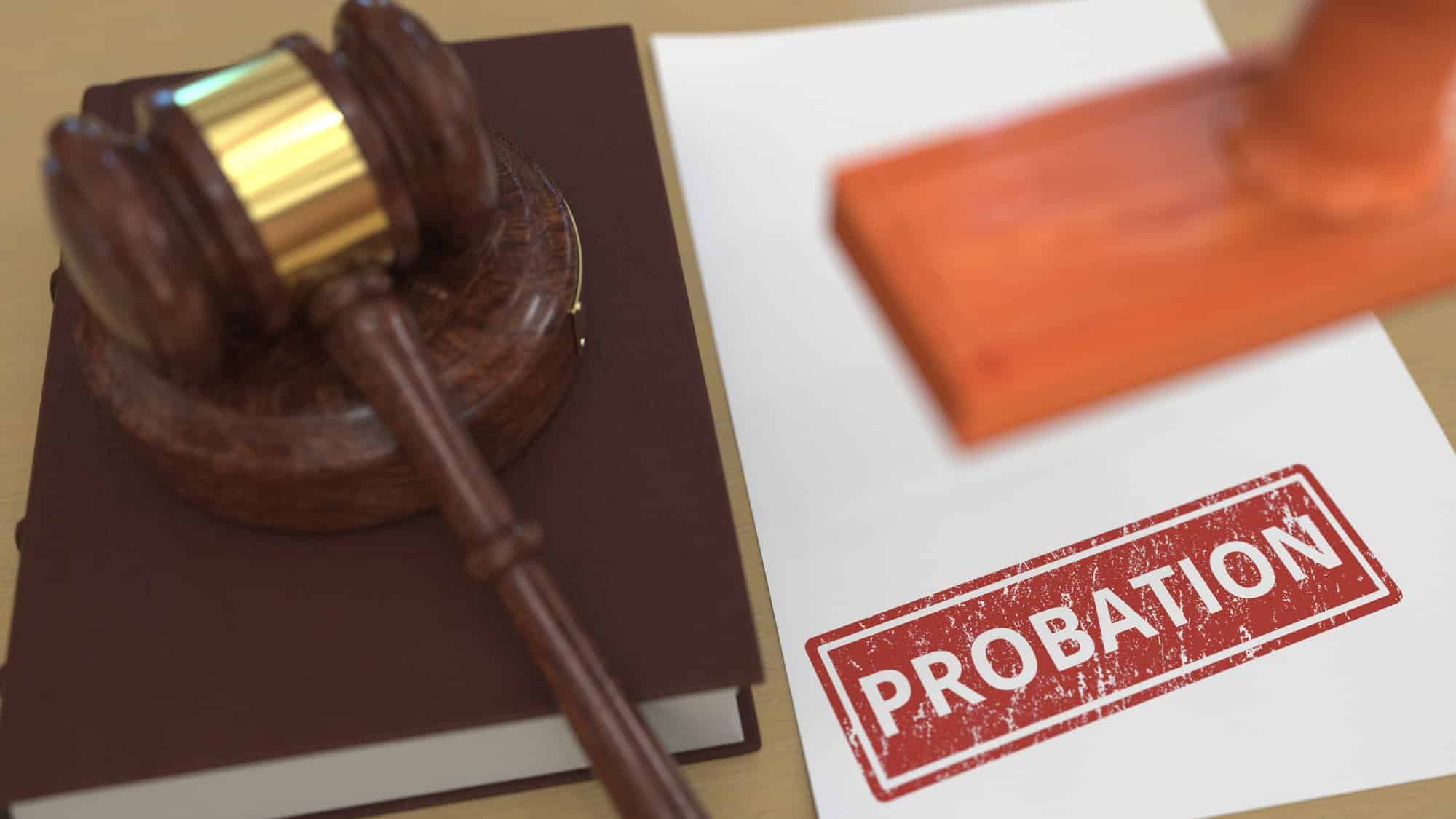
Probation is a common alternative to jail time for certain criminal offenses in New York. While probation can allow someone who is convicted of a crime to remain in their community, specific terms and conditions must be followed. Failure to do so can result in a violation of probation — and lead to additional penalties.

What is Probation?

Probation is a period of supervision that is ordered by the court as an alternative to serving time in jail. With the objective of rehabilitation, a probation officer monitors the convicted individual’s conduct to ensure they do not commit any further crimes. During the probation period, an individual must comply with various conditions set by the court. These can include regular check-ins with the probation officer, periodic drug or alcohol testing, participation in counseling programs, community service, and maintaining employment. If the conditions for probation set by the court are not met, a violation can occur.

What are Common Probation Violations?

There are a variety of ways probation can be violated — and violations can range in severity. For example, an individual may commit another crime, fail to pay mandatory fines, break curfew, or not attend a court-ordered substance abuse program. The best way to avoid a violation of probation is to ensure compliance with the requirements set forth by the court.

Specifically, probation violations typically fall into one of the following categories:

  • Technical violations — A technical probation violation occurs when an individual fails to meet the administrative requirements of probation. Examples of technical probations can include missing a meeting with a probation officer, failing a drug test, or not completing a court-ordered program.
  • Substantive violations — These types of probation violations involve committing a new criminal offense while on probation, unrelated to the original charges. These types of violations are considered more severe than technical violations and can result in jail time.

The length of probation depends upon the original offense. For misdemeanors, probation lasts one to three years for most types of offenses. The duration of probation for most felonies is three to five years — although a 25-year probation period can be imposed for certain drug crimes that fall into the category of Class A felonies.

What Happens if You Violate Probation?

If a probation officer believes that a violation has occurred, they may file a violation of probation report with the court. An arrest warrant will then be issued, and the matter will be scheduled for a hearing with a judge. Importantly, violation of probation hearings are different from criminal trials and there is no right to a jury. In addition, the burden of proof is by a “preponderance of the evidence.” This is a much lower evidentiary standard than “beyond a reasonable doubt” and simply means that the prosecution must show it is more likely than not that a violation occurred.

Depending on the facts of the case, an individual can face a number of penalties if the court finds a violation of probation has occurred. While a judge might simply issue a warning for a minor violation, a serious violation can result in jail time — and the original sentence that was suspended due to probation may be reinstated. Other consequences of violating probation can include an extension of the probation term with stricter conditions and increased supervision. If the violation involved a new criminal offense, additional charges and penalties can be imposed.

Contact an Experienced New York Criminal Defense Attorney

If you are facing a violation of probation, it’s essential to have a knowledgeable criminal defense attorney by your side to protect your rights. D’Emilia Law offers skillful representation and dedicated counsel for a wide range of criminal offenses, including violations of probation, and work diligently to obtain the best possible outcome in every case. To schedule a consultation, contact us at 1-888-DEMILIA.

Violating Probation
D'Emilia Law Represents Man Charged with Assault at Liberty Game cover

D’Emilia Law Represents Man Charged with Assault at Liberty Game

D’Emilia Law is representing a man charged with two counts of assault for throwing an obscene object during a New York Liberty and Dallas Wings basketball game at the Barclays Center in August. The 32 year old Ohio man faces two felony charges of assault for allegedly...
Five Things to Know About DWIs in New York cover

Five Things to Know About DWIs in New York

Driving while intoxicated is a serious offense that can carry severe penalties, including jail time, monetary fines, and license revocation. Since the circumstances surrounding every case are unique, DWIs can be complex. While a knowledgeable attorney can best advise...
D’Emilia Law Represents Defendant in NYC Subway Stabbing Case cover

D’Emilia Law Represents Defendant in NYC Subway Stabbing Case

D’Emilia Law is representing a 30 year old man in connection with a subway stabbing incident in Grand Central Station involving two other individuals, which occurred in June. The individual was arraigned on charges of attempted murder, assault, and attempted assault....
DWI Frequently Asked Questions cover

DWI Frequently Asked Questions

Being arrested for drinking and driving can be stressful — and navigating the legal process can be particularly overwhelming if you are unfamiliar with it. If you’re facing DWI charges, you likely have many questions about the potential consequences and penalties. The...
Constructive Possession

Understanding Constructive Possession in Drug Cases

There are two types of possession in New York drug crimes — actual and constructive. Significantly, constructive possession is an alternative theory to actual possession that allows a person to be charged with a drug-related offense, even if they did not have the...
What are Mitigating Factors in DWI Sentencing? cover

What are Mitigating Factors in DWI Sentencing?

If you’ve been convicted of a DWI, a judge will consider both aggravating and mitigating factors when determining your sentence. Mitigating factors are circumstances that can reduce your level of culpability — and lessen the penalties that might be imposed. It’s...
Ignition Interlock Device

What Happens if You Violate the Ignition Interlock Device Requirements?

If you were required to install an ignition interlock device (IID) in your vehicle in connection with a DWI, it’s crucial to comply with the court order. Violating an IID mandate is a serious matter that can be charged as a misdemeanor offense, resulting in jail time...
How Can an Expert Witness Help in My DWI Case? cover

How Can an Expert Witness Help in My DWI Case?

Being convicted of a DWI is a serious matter that can come with significant repercussions — and it’s crucial to mount a solid defense. If your DWI case will be going to trial, your criminal defense attorney might want to bring in an expert witness as part of your...
Can Medications and Medical Conditions Affect Breathalyzer Results? cover

Can Medications and Medical Conditions Affect Breathalyzer Results?

Breathalyzers are commonly used by the police when they pull someone over on suspicion they are driving while intoxicated. While these devices measure blood alcohol content (BAC) to determine whether the driver is impaired, there are a number of reasons why they may...
What’s the Difference Between Drug Possession, Sale, and Intent to Sell a Controlled Substance in New York? cover

What’s the Difference Between Drug Possession, Sale, and Intent to Sell a Controlled Substance in New York?

Drug selling and possession offenses are two categories of narcotics crimes that are prosecuted aggressively in New York. While drug possession involves holding a controlled substance for personal use, the criminal sale of a controlled substance refers to selling,...