INSIGHTS

Home > Insights > What is Exculpatory Evidence in a New York Criminal Defense Case?

What is Exculpatory Evidence in a New York Criminal Defense Case?

by | Dec 7, 2024

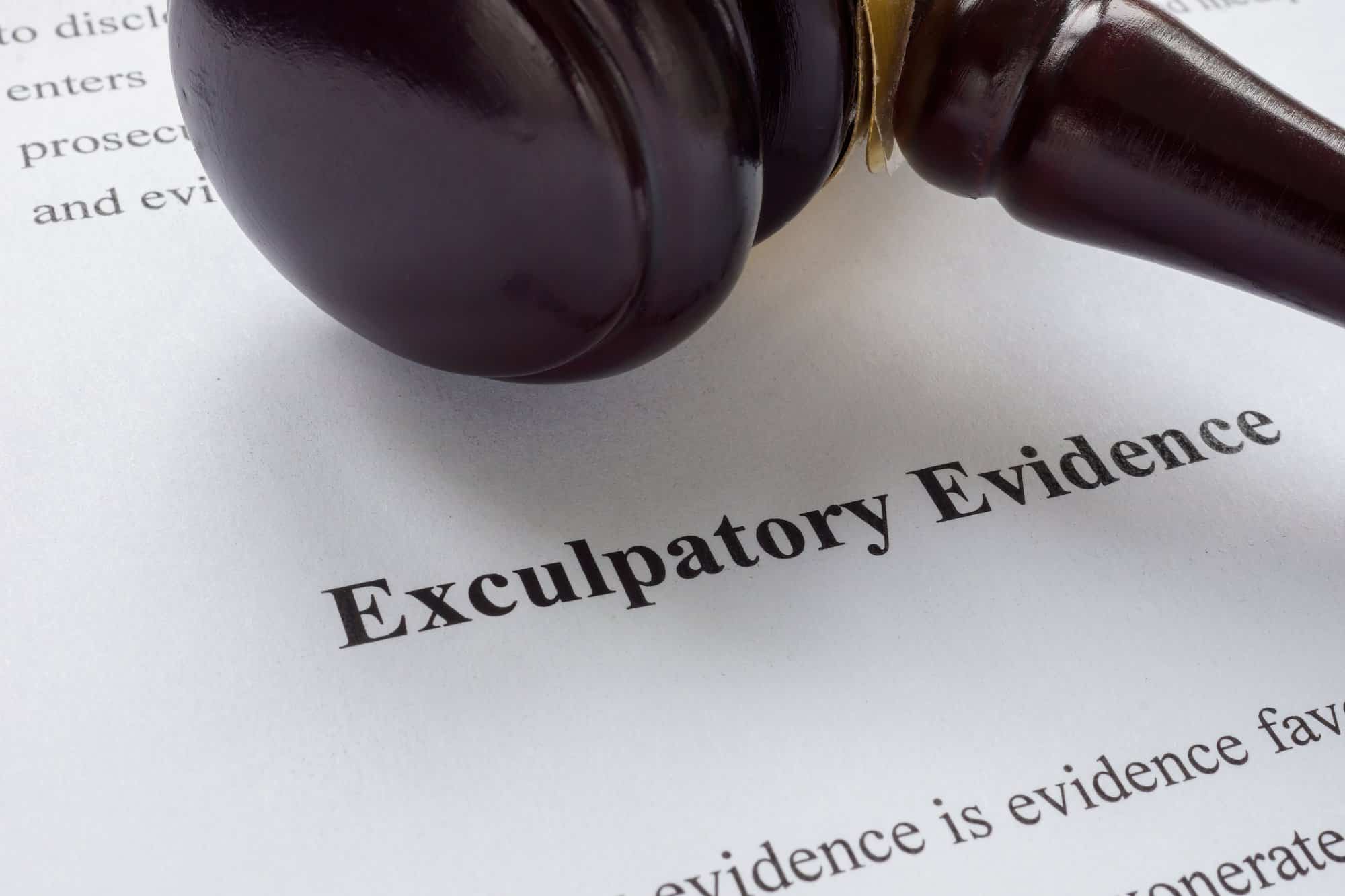
There are many different kinds of evidence that can be used in a criminal case. One of the most important types of evidence is referred to as “exculpatory evidence.” This is any type of evidence that favors the defendant and can help prove they are not guilty of the crime with which they’ve been charged. Simply put, exculpatory evidence can undermine the prosecution’s case, cast reasonable doubt in the minds of the jurors, and result in the defendant being acquitted entirely.

Examples of Exculpatory Evidence

Exculpatory evidence is a Constitutional right and ensures a fair trial. Prosecutors are required to disclose this evidence under both the landmark U.S. Supreme Court decision Brady v. Maryland and New York law. In the event the prosecution withholds any evidence of this type, an appeals court may reverse the conviction and order a new trial.

Examples of exculpatory evidence in a criminal case can include the following:

  • Eyewitness testimony
  • Documents
  • Video footage
  • Photographic evidence
  • DNA evidence
  • Emails and text messages
  • Physical evidence
  • A confession by another who admitted to the crime
  • Any evidence that could impact the credibility of a witness

Exculpatory evidence can be a crucial part of a defense strategy in any criminal matter. A good defense attorney will work diligently to obtain this type of evidence in order to build a solid case. While the prosecution is required to disclose all Brady material, a criminal defense attorney will also conduct their own investigation, interview witnesses, request records from the prosecution, and submit motions to the court to obtain certain evidence if necessary.

What Happens if Exculpatory Evidence is Not Disclosed?

The requirement of the prosecution to disclose exculpatory evidence is known as the “Brady Rule,” based on the U.S. Supreme Court case. This rule provides that the prosecution has a legal duty to hand over any evidence favorable to the defendant, regardless of whether it has been requested. If the prosecution fails to disclose evidence that could materially impact the outcome of a criminal case, a violation of the Brady Rule occurs.

Notably, the burden is on the defendant to show that they have been prejudiced by the undisclosed evidence — and there was a reasonable probability that, had the Brady material been disclosed, a different verdict would have been reached. Specifically, a defendant must prove three elements to establish a Brady violation:

  1. The evidence was favorable to the defendant because it was either exculpatory or impeaching in nature;
  2. The prosecution suppressed the evidence; and
  3. The defendant was prejudiced because the suppressed evidence was material.

In the event a Brady Rule violation occurred at trial, an appeal can be filed with a higher court. Although this doesn’t mean the defendant will be acquitted automatically, an appeal can return the case to the trial court where the matter would need to be retried. The prosecution can also face sanctions for knowingly or willingly concealing or withholding Brady material. If the information is discovered during the discovery process and prior to trial, a criminal defense attorney can file a motion with the court requesting the prosecution disclose it.

Contact an Experienced New York Criminal Defense Attorney

If you’ve been accused of a crime, it’s critical to have a criminal defense attorney by your side to ensure your Constitutional rights are protected. The attorneys at D’Emilia Law offer skillful representation and aggressive advocacy to those facing criminal charges, and work to build the best possible defense strategy in each case. To schedule a consultation, contact us at 1-888-DEMILIA.

Exculpatory Evidence
​What is a Motion to Suppress in a New York Criminal Case? cover

​What is a Motion to Suppress in a New York Criminal Case?

Whether you’ve been charged with a DWI, drug crime, or another offense, a motion to suppress is a powerful tool that can substantially weaken the prosecution’s case against you.

​What is a Plea Bargain in a New York Criminal Case? cover

​What is a Plea Bargain in a New York Criminal Case?

If you’ve been charged with a criminal offense, it’s crucial to understand what a plea bargain is and how the process works.

​Can You Fight a DWI if You Refuse a Chemical Test? cover

​Can You Fight a DWI if You Refuse a Chemical Test?

If you’ve been arrested for a DWI, you may wonder whether you should submit to a breathalyzer or other chemical test.

​Are DWI Checkpoints Legal in New York? cover

​Are DWI Checkpoints Legal in New York?

DWI checkpoints are a tool used by law enforcement to combat drunk driving. Also referred to as “sobriety checkpoints,” these roadblocks can be set up at any time. However, they are most commonly used at night during weekends and holidays in areas where there have...
D'Emilia Law Represents NYC High School Principal Charged with Sexual Abuse cover

D’Emilia Law Represents NYC High School Principal Charged with Sexual Abuse

D’Emilia Law is representing a long-time Queens high school principal charged with forcible touching and five counts of sexual abuse in the third degree. The allegations were brought by two assistant principals at the school, both of whom also maintain a friendship...
D’Emilia Law Represents High School Principal Accused of Forcible Touching cover

D’Emilia Law Represents High School Principal Accused of Forcible Touching

D’Emilia law is representing a Queens high school principal who was arrested on charges of forcible touching and sexual abuse in the third degree. The 66 year old was accused by two female teachers at the school, who alleged that five separate incidents of touching...
D'Emilia Law Represents Man Charged with Assault at Liberty Game cover

D’Emilia Law Represents Man Charged with Assault at Liberty Game

D’Emilia Law is representing a man charged with two counts of assault for throwing an obscene object during a New York Liberty and Dallas Wings basketball game at the Barclays Center in August. The 32 year old Ohio man faces two felony charges of assault for allegedly...
Five Things to Know About DWIs in New York cover

Five Things to Know About DWIs in New York

Driving while intoxicated is a serious offense that can carry severe penalties, including jail time, monetary fines, and license revocation. Since the circumstances surrounding every case are unique, DWIs can be complex. While a knowledgeable attorney can best advise...
D’Emilia Law Represents Defendant in NYC Subway Stabbing Case cover

D’Emilia Law Represents Defendant in NYC Subway Stabbing Case

D’Emilia Law is representing a 30 year old man in connection with a subway stabbing incident in Grand Central Station involving two other individuals, which occurred in June. The individual was arraigned on charges of attempted murder, assault, and attempted assault....
DWI Frequently Asked Questions cover

DWI Frequently Asked Questions

Being arrested for drinking and driving can be stressful — and navigating the legal process can be particularly overwhelming if you are unfamiliar with it. If you’re facing DWI charges, you likely have many questions about the potential consequences and penalties. The...