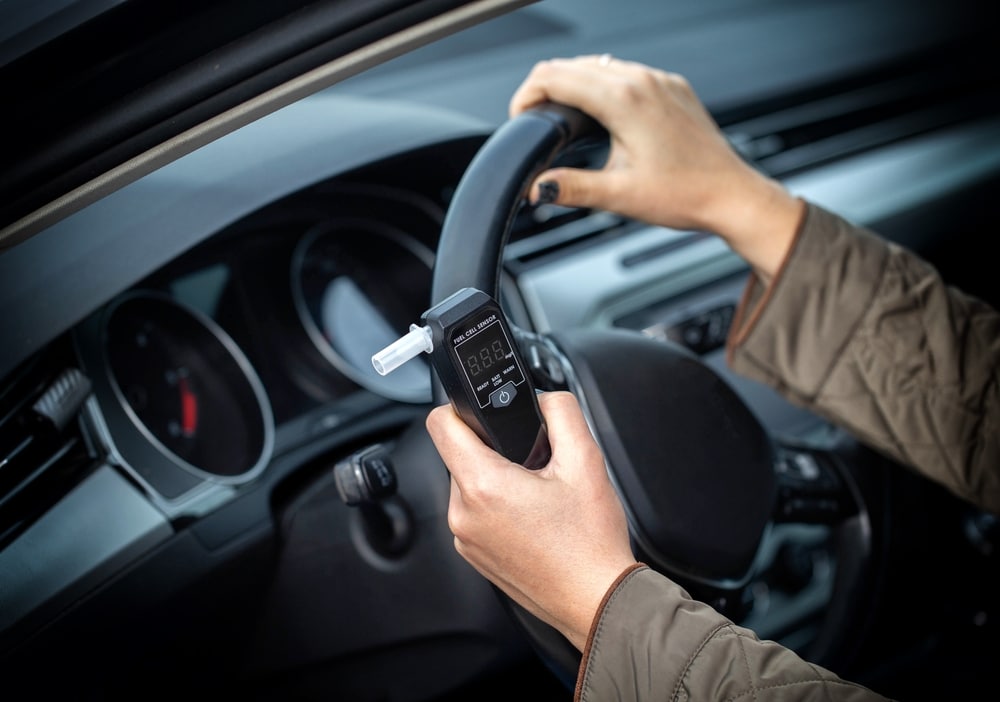
In New York, traffic stops can sometimes lead to criminal charges for driving while intoxicated or drug possession. In many of these cases, the prosecution’s evidence comes directly from a search of the vehicle and any items or substances discovered inside it. If your vehicle was searched by law enforcement and you were accused of a crime in connection with that search, it’s crucial to understand your legal rights. In the event the search was not lawful, you may be entitled to have any evidence derived from the search suppressed in court. This can significantly weaken the prosecution’s case against you or even lead to a dismissal of the charges.
Legal Reasons the Police May Search a Vehicle
Under both the Fourth Amendment to the United States Constitution and New York law, police generally must obtain a search warrant before searching someone’s property, including their vehicle. However, because vehicles are mobile, courts recognize several exceptions that allow for a warrantless search under certain circumstances.
The “automobile exception” allows police officers to conduct a warrantless search of a vehicle when they have probable cause to believe it contains contraband or evidence of criminal activity. For example, if an officer smells alcohol or sees drug paraphernalia in a car during a traffic stop, they may have legal justification to search the vehicle.
Specifically, a warrantless search of a vehicle may be conducted in the following situations:
- Probable cause: An officer can search a vehicle if they have probable cause that the vehicle contains evidence of a crime, such as weapons or drugs.
- Search incident to the arrest: If the police lawfully arrest you, they can search the immediate area around you for weapons or other evidence in connection with the crime. However, they do not have an automatic right to search the entire vehicle unless they have probable cause.
- Limited protective sweep: If an officer has reasonable suspicion that a driver or passenger could be armed and dangerous, they may conduct a brief search within the “grabbable areas” of the car. This refers to the areas within the person’s immediate reach where a weapon could be accessed quickly. It generally does not include the trunk or closed containers.
- The plain view doctrine: If the officer sees illegal items in “plain view,” such as drugs on a passenger seat, they may seize them and search further if they have probable cause.
- Consent: If you consent to a police search of your vehicle, they do not need a warrant. Importantly, you do not need to consent to a search if the police request to conduct one.
Critically, police need reasonable suspicion that you violated a law (including a traffic law) to pull your vehicle over in the first place. If the stop or search was unlawful, any evidence obtained may be excluded from the prosecution’s case.
What Happens if the Police Unlawfully Search Your Vehicle?
Police are only permitted to search a vehicle without a warrant under specific legal exceptions. If law enforcement conducts a search that violates the Fourth Amendment, any evidence obtained as a result of the unlawful search may be considered “fruit of the poisonous tree” under the exclusionary rule. In such instances, the prosecution would be prohibited from using that evidence against you at trial.
Challenges to unlawful vehicle searches are often raised through pretrial suppression motions where a judge reviews the circumstances of the stop and search to determine whether the police acted within the bounds of the law. If the court finds that the evidence was obtained illegally, not only can it be excluded, but it can undermine the prosecution’s case. A successful suppression motion may lead to reduced charges, plea negotiations, or even a dismissal of the case entirely.
Contact an Experienced New York Criminal Defense Attorney
If you were accused of a crime and subjected to an unlawful search, it’s essential to have a skilled criminal defense attorney by your side who can fight the charges against you. Offering aggressive advocacy and dedicated counsel, the criminal defense attorneys at D’Emilia Law work relentlessly to achieve the best possible results in every case. To schedule a consultation, contact us at 1-888-DEMILIA.