DWI checkpoints are a tool used by law enforcement to combat drunk driving. Also referred to as “sobriety checkpoints,” these roadblocks can be set up at any time. However, they are most commonly used at night during weekends and holidays in areas where there have been many reports of drunk driving. If you approach a DWI checkpoint, it’s important to understand your rights and know what the police are legally permitted to do in these situations.
What is a DWI Checkpoint?
A DWI checkpoint is a location that law enforcement temporarily sets up to stop vehicles and observe drivers for signs of impairment. At these roadblocks, officers stop vehicles in a neutral pattern (for instance, every fifth car). Checkpoints are not used for general crime control. However, you can be arrested at a checkpoint if an officer has probable cause to suspect you’ve been operating your vehicle under the influence of drugs or alcohol.
When Are DWI Checkpoints Legal?
DWI checkpoints are legal under New York law and the U.S. Constitution as long as they are properly conducted and follow strict procedural rules. In order to be legal, DWI checkpoints must meet the following requirements:
- DWI checkpoints must be planned in advance — The DWI checkpoint must be planned and approved in advance by a supervising officer.
- Vehicles must be stopped using a neutral pattern — Officers must use a predetermined, neutral pattern to stop vehicles, such as in a specific numerical sequence. People cannot be stopped based on their appearance or type of car they drive.
- The stop must be brief — Drivers cannot be detained for an unreasonable amount of time at a DWI checkpoint.
- Safety precautions must be in place — The DWI checkpoint must be marked with signs, flashing lights, or police vehicles to alert drivers of the roadblock.
If you were arrested for a DWI at a checkpoint and law enforcement did not follow the necessary criteria, any evidence obtained at the roadblock may be deemed inadmissible in court.
What Are Your Rights at a DWI Checkpoint?
Going through a DWI checkpoint in New York can be stressful, regardless of whether you’ve been drinking. Be sure to remain calm, polite, and keep both hands visible. Although it is not illegal to turn around if you approach a checkpoint, police may pursue your vehicle if you do — especially if you make an illegal U-turn, drive erratically, or turn without signaling.
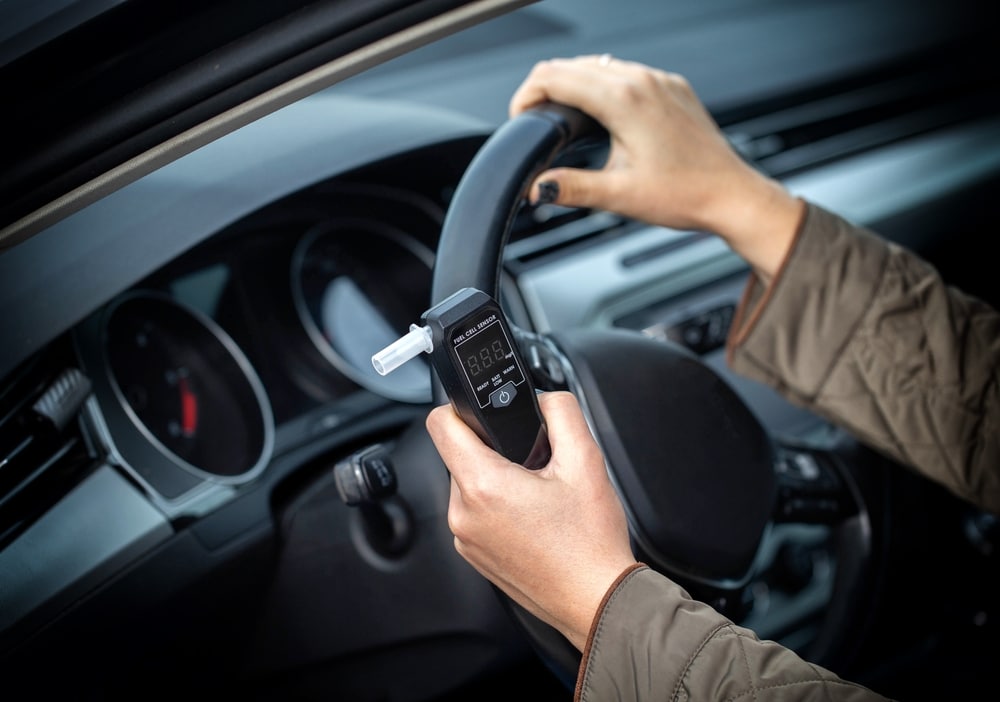
When you approach the officer at the checkpoint, they will observe your behavior, speech, and appearance. If they suspect you are impaired, the officer may ask you to perform a field sobriety test or take a breath test. In the event you fail the test, you can be arrested for a DWI.
It's crucial to understand your rights at a DWI checkpoint. You do not have to consent to a search of your vehicle. A search without consent is only permissible if the police have a warrant, probable cause, or illegal contraband is in plain view. While you can also refuse to take a breath test or field sobriety test, it’s essential to be aware that this can lead to the DMV automatically revoking your license before the matter has been resolved in criminal court. Before submitting to a chemical test, you may ask to consult with an attorney.
You have the right to remain silent at a checkpoint, and you can decline to answer any questions regarding where you are coming from or whether you’ve been drinking. But you must still provide the police with your license, registration, and proof of insurance if requested.
Contact an Experienced New York DWI Attorney
If you’ve been arrested at a DWI checkpoint, it’s vital to have a knowledgeable criminal defense attorney who can fight the charges against you. The attorneys at D’Emilia Law offer reliable representation and aggressive advocacy to those facing DWI charges in New York, and they work to achieve the best possible outcome in every case. To schedule a consultation, contact us at 1-888-DEMILIA.