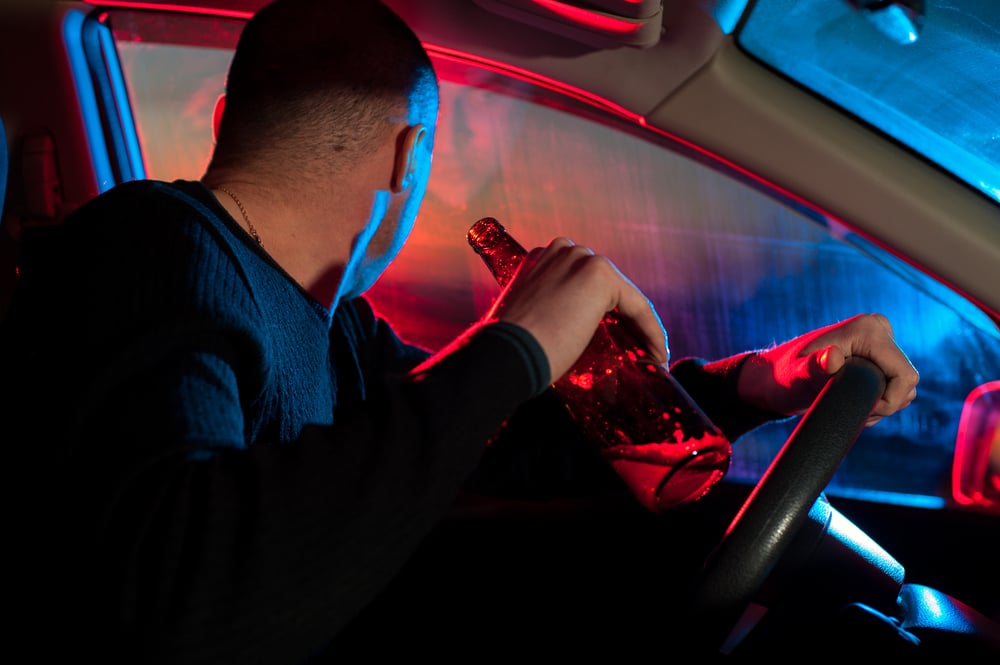
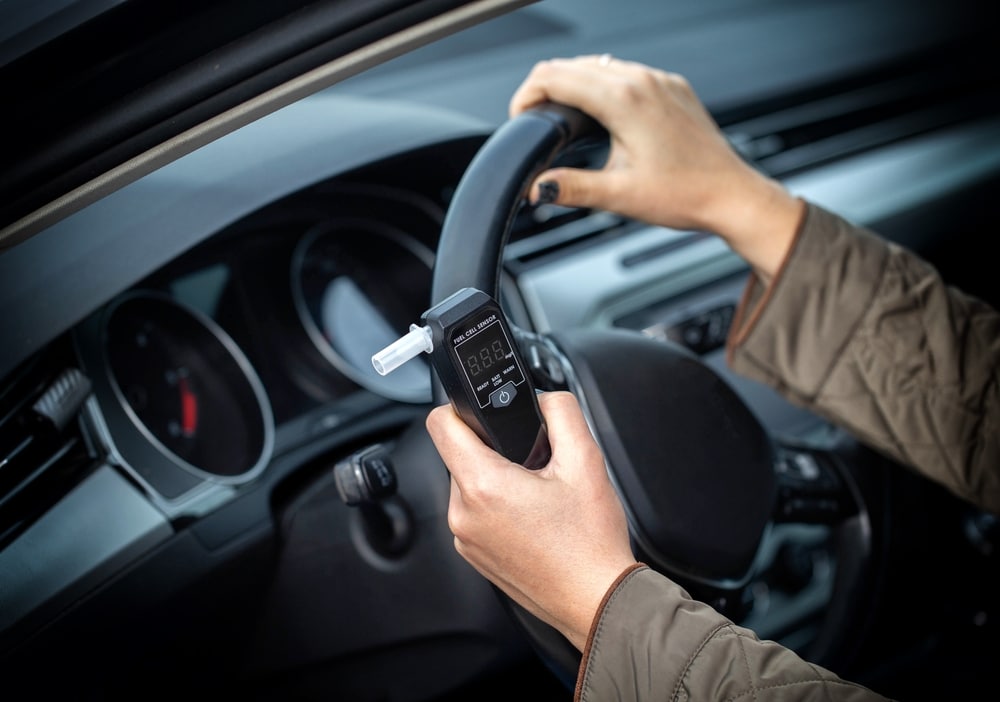
In a case where a driver is suspected of operating their vehicle under the influence of alcohol, a preliminary breath test isn’t the only test a police officer might ask to administer. Part of the arrest process may include conducting field sobriety tests. These types of tests are designed to assess a driver’s balance, coordination, and reflexes. They are typically used to help law enforcement establish probable cause before making a DWI arrest.
Types of Field Sobriety Tests
Field sobriety tests are entirely voluntary — you cannot be forced to take one if you are pulled over on suspicion of drunk driving. If you agree to the test, the police officer will provide instructions on how to perform it and look for evidence of impairment. But it’s important to understand that while officers are trained in conducting field sobriety tests, these assessments are not always accurate. There can be a number of factors that affect the reliability of a field sobriety test.
The field sobriety tests commonly administered by law enforcement in New York include the following:
- The Walk and Turn — With this test, the police officer will ask you to walk in a straight line, while making contact between your heel and toe. On your ninth step, you will have to pivot in a certain way.
- The One Leg Stand — This test requires you to stand with one leg on the ground while lifting the other a minimum of 6 inches off the ground. If you do not maintain your balance, the officer may count this against you.
- The Horizontal Gaze Nystagmus (HGN) — When conducting this test, the police officer will ask you to follow an object with your eyes. They will look to see whether your eye has a jerking motion.
- Finger to Nose — In this field sobriety test, you must keep your eyes closed and use the tip of your index finger to make contact with the tip of your nose.
- Romberg Balance Test — This test measures your balance and ability to remember the directions you were provided. You will have to stand with your feet together, hands at your side, with your head tilted back and eyes closed. You will be required to guess when 30 seconds have passed. If police notice any evidence of imbalance or failure to follow instructions, this can be used against you in a DWI case.
Critically, there are many reasons a sober driver might fail a field sobriety test. Not only can these situations be stressful, but a driver may have a medical condition that can affect their ability to successfully perform the test. In addition, road surfaces, weather conditions, and footwear can impact the outcome of a field sobriety test.
Are You Permitted to Refuse a Field Sobriety Test?
A driver is under no legal obligation to participate in a field sobriety test. Unlike refusing a breath test, refusing to take a field sobriety test does not result in an automatic license suspension. New York is an “implied consent” state only for the purposes of breath tests — this rule does not extend to field sobriety tests.
Even though a driver is not legally required to submit to one of these tests, refusal to take a field sobriety test may be admissible at a DWI trial. Specifically, the prosecutor may try to argue that the refusal demonstrates a consciousness of guilt. But whether you took a field sobriety test or not, it’s crucial to be aware that they are extremely subjective. An experienced DWI defense attorney will know how to challenge the results of a field sobriety test if they were not in your favor.
Contact an Experienced New York DWI Attorney
If you have been arrested for a DWI, it’s essential to have a knowledgeable criminal defense attorney by your side to protect your rights and fight the charges against you. The DWI attorneys at D’Emilia Law offer experienced counsel and relentless representation for those who have been charged with DWIs and are committed to obtaining the best possible outcome for every client. To schedule a consultation, contact us at 1-888-DEMILIA.