New York State has strict DWI laws — and they are even more stringent for those with commercial driver licenses (CDLs). Critically, operating a large vehicle comes with a significant amount of responsibility, and CDL drivers are held to a higher standard. As a commercial driver charged with a DWI, you could not only lose your license, but also your livelihood. If you drive a truck, tractor-trailer, bus, stretch limo, or another commercial vehicle, it’s important to understand the consequences you could face if you are convicted of drinking and driving.
What is the BAC Limit for Commercial Drivers in NY?
One of the biggest distinctions between the DWI laws for non-commercial drivers and commercial drivers is the blood alcohol content (BAC) limit imposed. Importantly, commercial drivers have a much lower BAC set at .04%, compared with the .08% limit for those with non-commercial licenses. This means they can face DWI charges with a much smaller amount of alcohol in their systems.
What are the Consequences of a DWI for Commercial Drivers?
A commercial driver can face immediate consequences when charged with drinking and driving. For instance, a breath test refusal can result in revocation of a commercial license for 18 months. Not only can a CDL be suspended upon arrest, but a CDL driver cannot obtain a hardship license to operate the commercial vehicle, even if a limited license is granted to drive a personal vehicle.
Additionally, apart from the legal penalties that can be imposed on a CDL driver for drinking and driving, future employment could be impacted by a drunk driving conviction. Many employers within the commercial driving sector have strict regulations and conduct background checks — a DWI conviction can disqualify a driver from many job opportunities.
Consequences a commercial driver can face for a DWI include the following:
- License suspension or revocation — For a first offense, a CDL driver may face a license suspension of one year. Any subsequent DWIs can lead to a longer suspension or a lifetime CDL revocation. The license revocation period is three years for drivers transporting hazardous materials.
- Monetary fines — Fines for a first commercial driver’s license DWI can range from $500 to $1,000. A second offense can result in fines up to $5,000.
- Jail time — A jail sentence of up to one year can be imposed for a first DWI offense as a CDL holder. A second offense can result in a jail sentence up to four years.
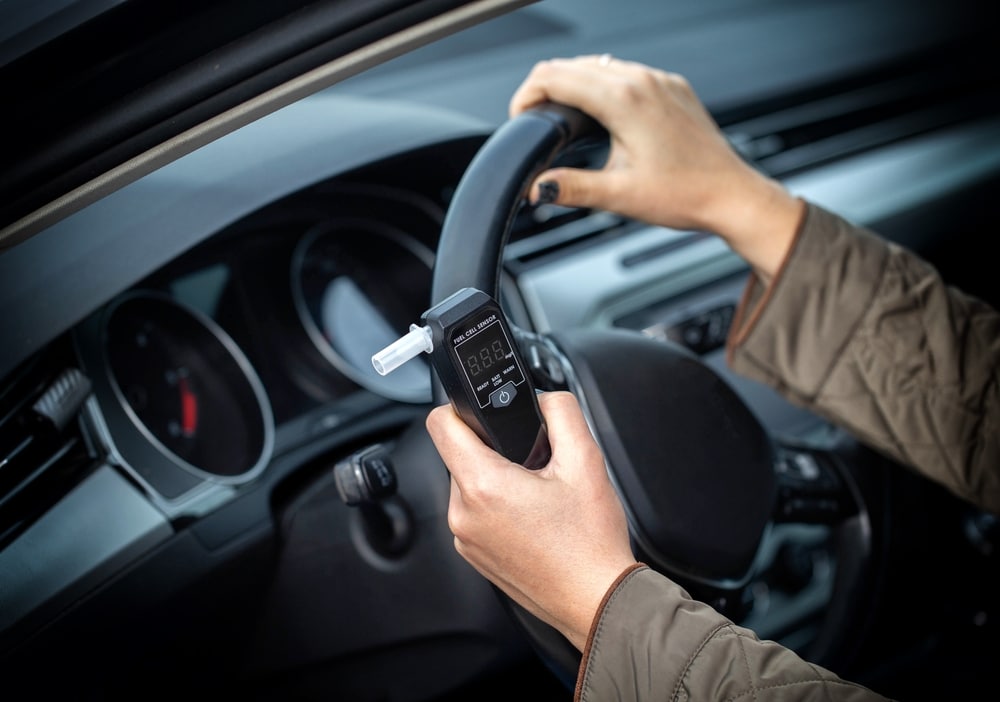
- Installation of an interlock ignition device — Under New York State law, a commercial or non-commercial driver must install an interlock ignition device in their vehicle after a DWI conviction. This device requires that the driver provide a breath sample before the engine can start.
DWI penalties for a CDL holder can increase if there were aggravating factors, such as an elevated BAC — or in the event someone was injured because of the commercial driver’s intoxication.
Defending a DWI Charge for Commercial Drivers
It’s vital to understand that a DWI charge doesn’t always have to mean a conviction. If you’re a commercial driver who was arrested for a DWI, an experienced criminal defense attorney can assess your case and develop a strategy to fight the charges you are facing. Depending on the facts and circumstances, an attorney might be able to challenge the breath test results. They also might be able to challenge the legality of the traffic stop and argue that there was no probable cause to pull you over — in these instances, the case could be dismissed.
Other potential defense strategies can include disputing any field sobriety tests, questioning how the evidence in the case was handled, and raising Constitutional violations. A knowledgeable attorney may also be able to negotiate a plea deal on your behalf with the prosecution to reduce the charges against you.
Contact an Experienced New York DWI Attorney
If you are a commercial driver who is facing a DWI charge, your livelihood is at stake. It’s important to have a skillful attorney who can mount a solid defense in your case and help you avoid a conviction. The attorneys at D’Emilia Law offer trusted representation and adept advocacy to commercial and non-commercial drivers charged with DWI offenses, and are they committed to securing the best possible outcome in every case. To schedule a consultation, contact us at 1-888-DEMILIA.