INSIGHTS

Home > Insights > Why is BAC Important in a DWI Case?

Why is BAC Important in a DWI Case?

by | Nov 14, 2024

A driver’s blood alcohol concentration (BAC) is a common source of evidence that is used to determine whether they were operating a vehicle under the influence of alcohol. Unlike subjective observations by law enforcement, BAC provides an objective measurement of impairment. If a driver’s BAC is above the legal threshold of .08%, they could be charged with a DWI. It’s important to understand what affects BAC — and how it can impact a DWI case.

What is the Impact of BAC in a DWI?

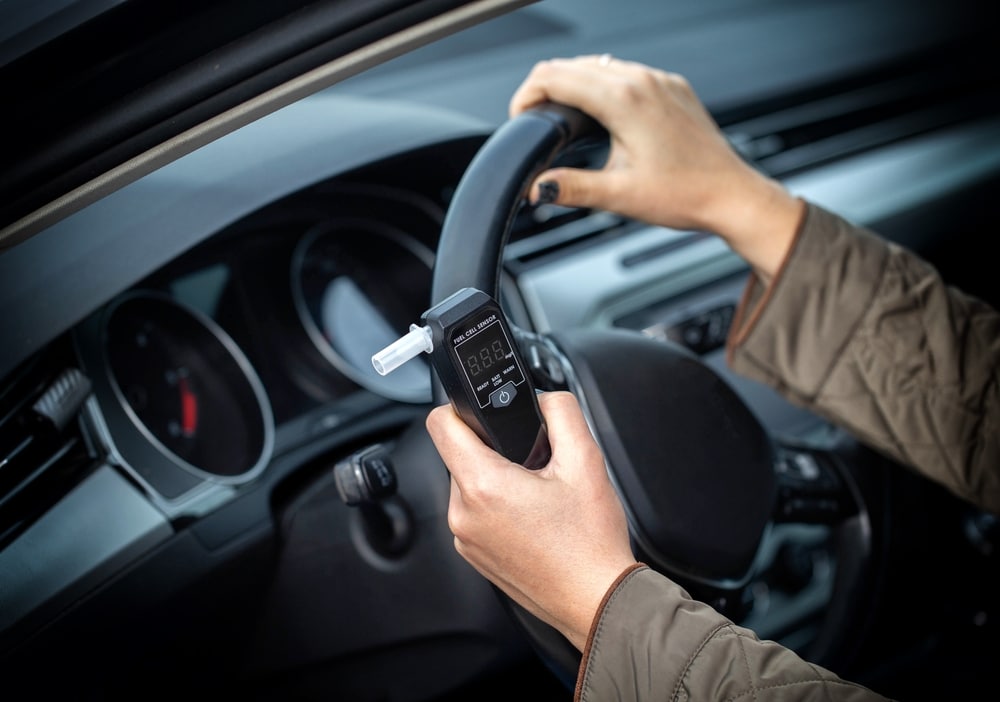
Blood alcohol concentration — commonly referred to as “blood alcohol content” or “BAC” — is the amount of alcohol in a person’s bloodstream. It is a measurement that reflects an individual’s level of intoxication and helps law enforcement determine whether they are too impaired to operate a motor vehicle. Specifically, a person’s BAC can be measured in three ways. This evidence can be gathered through breath testing, urine testing, or blood testing.

A driver’s BAC can serve as scientific evidence of impairment and can hold considerable weight in a DWI case. The BAC level of an individual who is pulled over for driving while intoxicated directly impacts the severity of the legal consequences they may face. Under New York law, the BAC limits for drivers are as follows:

  • BAC of .04% — This is the legal BAC threshold for commercial drivers.
  • BAC of .05% — Legal evidence of impairment to support a charge of Driving While Ability Impaired (DWAI).
  • BAC of .08% — Evidence that a driver is legally intoxicated.
  • BAC of .18% or more — When a person has a BAC at this level, it is considered an aggravated DWI.

Importantly, New York’s Zero Tolerance Law makes it illegal for an individual under the age of 21 to have any measurable amount of alcohol in their system.

What Affects a Driver’s BAC?

It’s always best for an individual to have a designated driver if they plan to consume alcohol. While the pace at which alcohol is consumed and the number of drinks a person has are the most significant factors that affect intoxication, there are several other factors that can affect a driver’s BAC level. These can include gender, weight, metabolism, dehydration, fatigue, medication, and how much the individual has had to eat.

The type of alcohol consumed does not directly influence a person’s BAC. However, the amount of a certain type of drink can. According to the NHSTA, a typical drink equals about half an ounce of alcohol. This is the same amount of alcohol found in one shot of distilled spirits, one 5-ounce glass of wine, or one 12-ounce beer.

What Defenses are Available for Driving with a BAC Above the Limit?

If you have been charged with driving while intoxicated, a good criminal defense attorney can evaluate your case and develop a defense strategy based on the facts. Depending on the circumstances, Constitutional violations or a police officer’s failure to adhere to proper procedures can lead to the evidence collected in the case being rendered inadmissible.

Notably, one of the most common challenges a defense attorney can raise against the prosecution’s evidence concerns the accuracy and reliability of a BAC test. Issues such as failure to calibrate, improper administration of the test, and underlying medical conditions can all affect the results. In addition, if the police officer was not properly trained to administer a breathalyzer test, the test may not be admissible as evidence.

Contact an Experienced New York Criminal Defense Attorney

Challenging a DWI charge can be complex and requires knowledge of not only the law — but also the science behind DWIs. The attorneys at D’Emilia Law offer reliable representation and experienced counsel for those arrested on drinking and driving offenses, and they work aggressively to obtain the best possible outcome in each case. To schedule a consultation, contact us at 1-888-DEMILIA.
DWI Case
D'Emilia Law Represents Man Charged with Assault at Liberty Game cover

D’Emilia Law Represents Man Charged with Assault at Liberty Game

D’Emilia Law is representing a man charged with two counts of assault for throwing an obscene object during a New York Liberty and Dallas Wings basketball game at the Barclays Center in August. The 32 year old Ohio man faces two felony charges of assault for allegedly...
Five Things to Know About DWIs in New York cover

Five Things to Know About DWIs in New York

Driving while intoxicated is a serious offense that can carry severe penalties, including jail time, monetary fines, and license revocation. Since the circumstances surrounding every case are unique, DWIs can be complex. While a knowledgeable attorney can best advise...
D’Emilia Law Represents Defendant in NYC Subway Stabbing Case cover

D’Emilia Law Represents Defendant in NYC Subway Stabbing Case

D’Emilia Law is representing a 30 year old man in connection with a subway stabbing incident in Grand Central Station involving two other individuals, which occurred in June. The individual was arraigned on charges of attempted murder, assault, and attempted assault....
DWI Frequently Asked Questions cover

DWI Frequently Asked Questions

Being arrested for drinking and driving can be stressful — and navigating the legal process can be particularly overwhelming if you are unfamiliar with it. If you’re facing DWI charges, you likely have many questions about the potential consequences and penalties. The...
Constructive Possession

Understanding Constructive Possession in Drug Cases

There are two types of possession in New York drug crimes — actual and constructive. Significantly, constructive possession is an alternative theory to actual possession that allows a person to be charged with a drug-related offense, even if they did not have the...
What are Mitigating Factors in DWI Sentencing? cover

What are Mitigating Factors in DWI Sentencing?

If you’ve been convicted of a DWI, a judge will consider both aggravating and mitigating factors when determining your sentence. Mitigating factors are circumstances that can reduce your level of culpability — and lessen the penalties that might be imposed. It’s...
Ignition Interlock Device

What Happens if You Violate the Ignition Interlock Device Requirements?

If you were required to install an ignition interlock device (IID) in your vehicle in connection with a DWI, it’s crucial to comply with the court order. Violating an IID mandate is a serious matter that can be charged as a misdemeanor offense, resulting in jail time...
How Can an Expert Witness Help in My DWI Case? cover

How Can an Expert Witness Help in My DWI Case?

Being convicted of a DWI is a serious matter that can come with significant repercussions — and it’s crucial to mount a solid defense. If your DWI case will be going to trial, your criminal defense attorney might want to bring in an expert witness as part of your...
Can Medications and Medical Conditions Affect Breathalyzer Results? cover

Can Medications and Medical Conditions Affect Breathalyzer Results?

Breathalyzers are commonly used by the police when they pull someone over on suspicion they are driving while intoxicated. While these devices measure blood alcohol content (BAC) to determine whether the driver is impaired, there are a number of reasons why they may...
What’s the Difference Between Drug Possession, Sale, and Intent to Sell a Controlled Substance in New York? cover

What’s the Difference Between Drug Possession, Sale, and Intent to Sell a Controlled Substance in New York?

Drug selling and possession offenses are two categories of narcotics crimes that are prosecuted aggressively in New York. While drug possession involves holding a controlled substance for personal use, the criminal sale of a controlled substance refers to selling,...